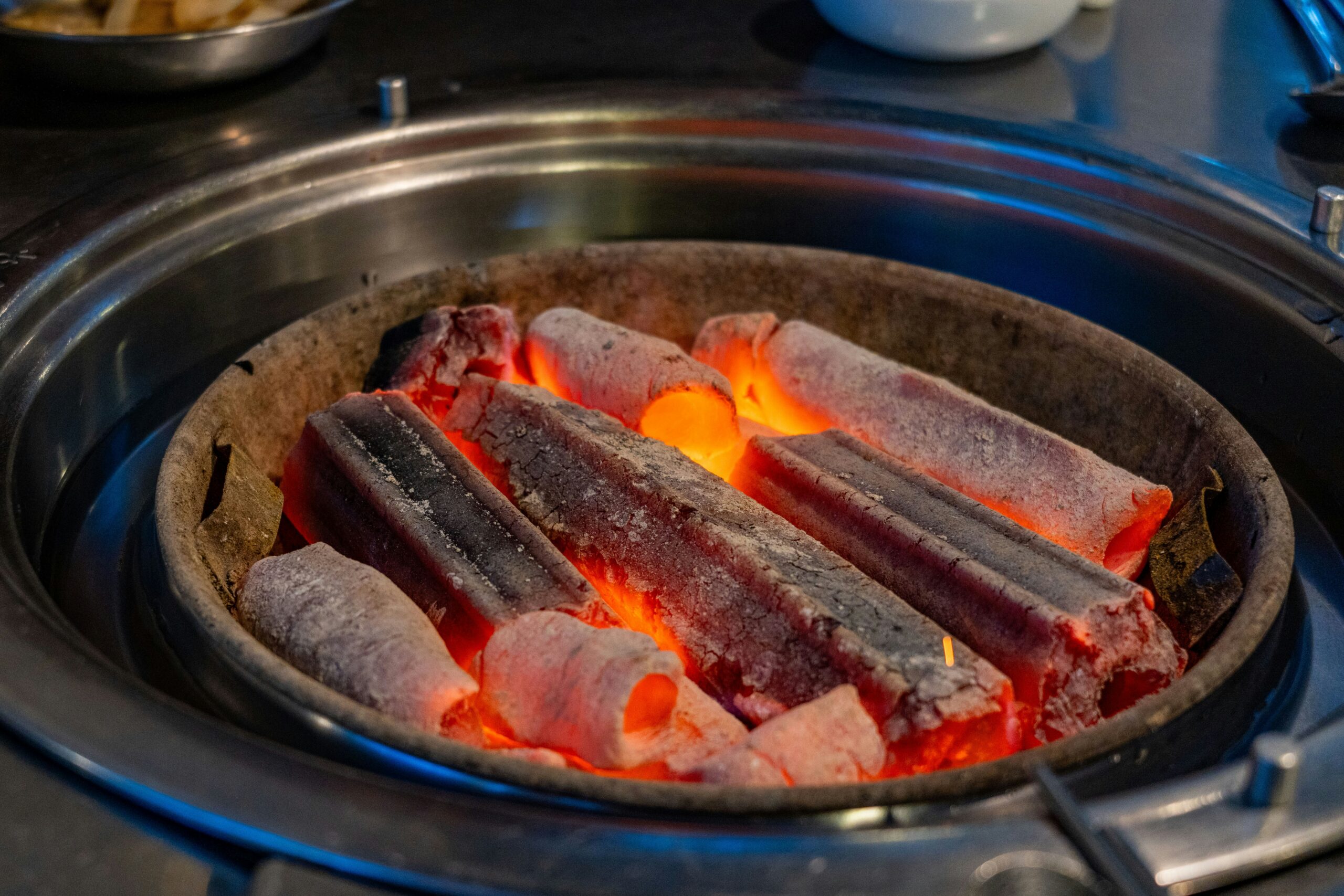
Indonesia is one of the world’s leading producers of coconuts — and millions of shells are discarded every year after the meat and water are used. Instead of letting this valuable by-product go to waste, local producers transform it into a clean, renewable, and eco-friendly fuel: coconut charcoal briquettes.
In this guide, you’ll learn exactly how coconut shells become high-quality briquettes — step by step — and why this process is a model of sustainable energy production.
1. Collecting and Sorting the Coconut Shells
The process begins with collecting used coconut shells from farms, markets, and processing facilities across Indonesia.
Only fully dried, hard shells are chosen. These shells have higher carbon content and create denser briquettes that burn longer. Soft or wet shells are avoided because they produce more smoke and less consistent charcoal.
♻️ Tip: Using discarded coconut shells supports zero-waste farming and prevents open burning, which reduces CO₂ emissions.
2. Carbonization – Turning Shells into Charcoal
The dried shells are then carbonized, which means they’re heated in a low-oxygen environment to remove moisture and volatile substances.
This step is done in a drum kiln or retort furnace at around 400–600 °C. Instead of burning, the shells slowly turn into charcoal — a pure form of carbon.
The result is lightweight, black coconut shell charcoal with minimal ash and no chemical additives.
🌿 Sustainability note: modern kilns recycle heat and smoke, making the process cleaner and more efficient.
3. Grinding and Sieving the Charcoal
After cooling, the charcoal is crushed into fine powder using a grinder or hammer mill.
It’s then sieved to separate fine particles from larger chunks, ensuring a consistent texture. The fine charcoal powder ensures smooth shaping and even burning during use.
Particle size consistency is crucial for achieving strong briquettes that won’t break easily.
4. Mixing with Natural Binders
Next, the charcoal powder is mixed with a natural binder, usually tapioca starch or corn starch.
This helps the particles stick together when pressed. Clean water is added to form a soft, dough-like mixture.
✅ No chemicals or synthetic glues are used.
The goal is to keep the briquettes 100 % natural and food-safe, suitable for cooking and heating.
5. Pressing and Molding the Briquettes
The mixture is then placed into a briquette press machine, which shapes it into uniform blocks or cylinders.
Common shapes include:
- Cubes (popular for BBQ)
- Hexagonal sticks (common for shisha / long burn)
The pressure applied by the machine compacts the mixture tightly, increasing its density. High density = longer burning time.
6. Drying the Briquettes
Freshly pressed briquettes still contain moisture and must be thoroughly dried.
Drying can be done:
- Naturally under the sun for 2–3 days (eco-friendly), or
- In drying ovens for faster, controlled results.
Proper drying ensures the briquettes ignite easily, burn evenly, and produce very little smoke.
⚠️ If moisture remains, briquettes can crack or crumble — so drying is one of the most critical stages.
7. Packaging and Quality Control
Before packaging, each batch undergoes quality tests:
- Moisture content: should be below 8 %
- Ash content: ideally ≤ 3 %
- Burning time: typically 2–3 hours
- Smoke and odor test: should be neutral
High-quality briquettes are then packed in moisture-resistant paper or cardboard boxes. For export, they’re placed in inner plastic liners and sealed cartons to maintain freshness.
📦 Many suppliers, including Coco Cimanggu Berkah, offer private-label packaging and bulk export options.
8. Why This Process Matters
Transforming coconut shells into briquettes offers multiple environmental and economic benefits:
- Waste reduction: no coconut shell goes to landfill.
- Renewable energy: replaces wood charcoal and fossil fuels.
- Lower emissions: produces less CO₂ and smoke.
- Community income: creates jobs for local farmers and producers.
Every briquette is proof that sustainable energy can come from nature — and from what used to be waste.
9. From Indonesia to the World
Indonesia’s coconut-rich islands are the perfect place for producing premium briquettes. With abundant raw materials, skilled workers, and modern production lines, companies like Coco Cimanggu Berkah export to markets worldwide — from Asia and the Middle East to Europe and North America.
Our briquettes are made under strict quality control, ensuring consistent shape, long burn time, and clean performance for every buyer.
Conclusion: Turning Waste into Eco-friendly Fuel
Coconut shell briquettes represent the perfect example of a circular economy — turning agricultural waste into valuable, eco-friendly energy.
By choosing coconut charcoal briquettes, you support cleaner air, sustainable livelihoods, and a greener planet.
Looking for high-quality Indonesian coconut charcoal briquettes for your business or brand?
Contact Coco Cimanggu Berkah today for samples, OEM packaging, and export inquiries.
Website: https://cococimangguberkah.com
WhatsApp: +62 811 8089 5157
Email: cococimangguberkah@gmail.com